
Manual paperwork slows deals down. The cost isn’t just time—it’s momentum, confidence, and sometimes the entire opportunity. The faster your buyer can review, sign, and pay, the more likely you are to win. This is where GoHighLevel (GHL) shines: proposals, contracts, and e-signatures working together so clients can say “yes” instantly. Speed and convenience close more deals. 💬 How long does it take you to send a proposal?
1. The real cost of manual proposals (and why speed wins)
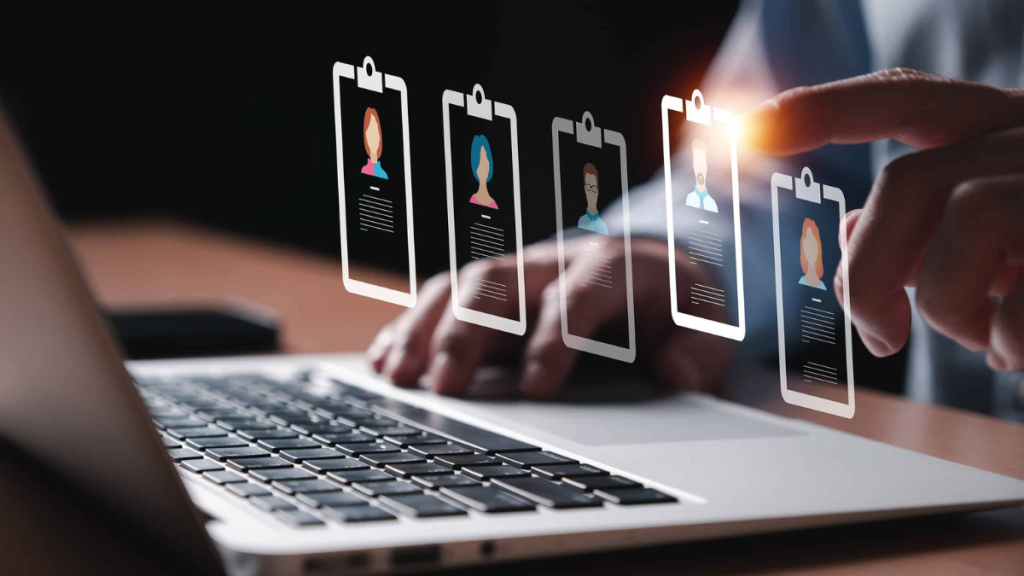
If your proposals live in scattered Word files, email threads, or one-off PDFs, every edit becomes a mini-project. Version control breaks, approvals stall, and signatures wait on people’s calendars. Meanwhile, competitors who automate can issue a polished proposal in minutes, follow up automatically, and capture e-signatures the same day. That’s the difference between a pipeline that compounds and one that clogs.
High-intent buyers expect consumer-grade convenience: a mobile-friendly proposal, clear pricing, a quick e-signature, and a secure payment link—now, not next week. Automation isn’t about removing humans; it’s about removing friction. When you shrink “send → review → sign → pay” from days to hours, your close rate rises, your sales cycle compresses, and your forecast becomes more predictable. In saturated markets, proposal automation, contract automation, e-contracts, and digital signatures aren’t “nice to have”—they’re a competitive edge. GHL’s strength is orchestration: it keeps your proposal pipeline, notifications, approvals, and reminders moving without manual babysitting, while preserving a clean audit trail for every step.
2. Why GoHighLevel is the right engine for proposals, contracts, and e-signatures

GHL brings your CRM automation, funnels, calendars, forms, pipelines, products, invoices/estimates, and messaging under one roof. That matters because the proposal is not an isolated document; it sits at the center of lead capture, qualification, pricing, approvals, signatures, and payments. With Workflows, you can trigger the right action at the right time: generate a proposal from a template, personalize it with Custom Values, send it via email/SMS, request an e-signature, and fire reminders if it’s not opened or signed.
You get centralized visibility through Opportunities and Pipelines—every proposal shows stage, value, owner, tasks, and timestamps. Teams collaborate with notes and mentions; automation handles assignment, reminders, and escalations. And because GHL is extensible, you can push signed documents to cloud storage, post back to your ERP, fire a webhook to your project system, or hand off to onboarding the second a client signs. If you want a guided, practitioner-level path to set this up for your agency or business, consider our GoHighLevel Training Course in Pakistan—it’s built to help you ship real automations, not just learn features.
3. From “send” to “signed”: a streamlined flow you can deploy

Think of proposal automation as a relay race with zero dropped batons. Start by standardizing templates: terms, deliverables, pricing tables, and optional add-ons. Store legal language as reusable blocks and insert merge fields (client name, scope, dates, fees) to reduce manual edits. When a lead reaches a “Proposal Ready” stage, a Workflow pulls the right template, injects data, and generates a shareable proposal page or document. It then sends a message with a secure link—no attachments to hunt in email.
Once opened, the prospect sees clear pricing, a summary of outcomes, and click-to-sign fields. Acceptance triggers a signature event and stamp; the system updates the Opportunity stage to “Signed,” triggers onboarding tasks, and—if applicable—fires payment or invoice steps. If the proposal isn’t opened or signed, smart reminders nudge the right contact automatically (email/SMS, weekday timing, buyer time zone). If someone edits scope mid-stream, you keep versioned templates so changes are fast and compliant. And because all of this lives in the same CRM, you don’t lose analytics: open rates, time-to-sign, win/loss reasons, and revenue by template.
4. E-signatures, approvals, and payments in one motion

A strong close sequence compresses steps: proposal → signature → payment. GHL lets you pair e-signature requests with approvals and billing so clients never leave the flow. For complex deals, include internal approvals (legal/finance) as a pre-signature stage; the Workflow routes the draft to the approver, logs the decision, and only then sends the client a signable version. The signed copy is automatically stored against the Opportunity for clean audit trails and future retrieval.
Next comes the money. Use GHL’s invoices/estimates or secure checkout links (with taxes, discounts, coupons, and payment schedules) so acceptance isn’t “just paperwork”—it’s a transaction. You can kick off deposits, set installment reminders, and reconcile activity back to your accounting tools. With this one-motion design, your team spends more time on strategy and less on chasing signatures. If you want hands-on guidance to build the exact “sign-and-pay” pathway for your use case, our GoHighLevel Training Course in Pakistan walks you through real, tested patterns you can clone.
5. Data integrity, compliance, and version control you can trust

Winning the deal is step one; protecting it is step two. Proposal and contract automation must satisfy traceability (who did what, and when), immutability (signed versions are locked), and access control (only the right roles can edit templates or pricing). In GHL, your Pipelines and Workflows give you timestamped activities, owner changes, and stage transitions. Store signed documents in a structured folder path (client → deal → date) and embed unique IDs in filenames to eliminate ambiguity.
Use role-based permissions so only authorized users edit templates or pricing. Create template changelogs and review cycles to prevent accidental drift in legal language. Map your data retention policy—how long you keep versions, where you store them, and how you back them up. Configure double-confirmation on destructive changes (e.g., sending a new version voids the previous). When auditors ask, you can present a complete audit trail: sent, opened, signed, paid, fulfilled. That professionalism builds trust with enterprise buyers—and shortens security reviews that otherwise slow your deals.
6. Team adoption: playbooks, coaching, and measurable standards
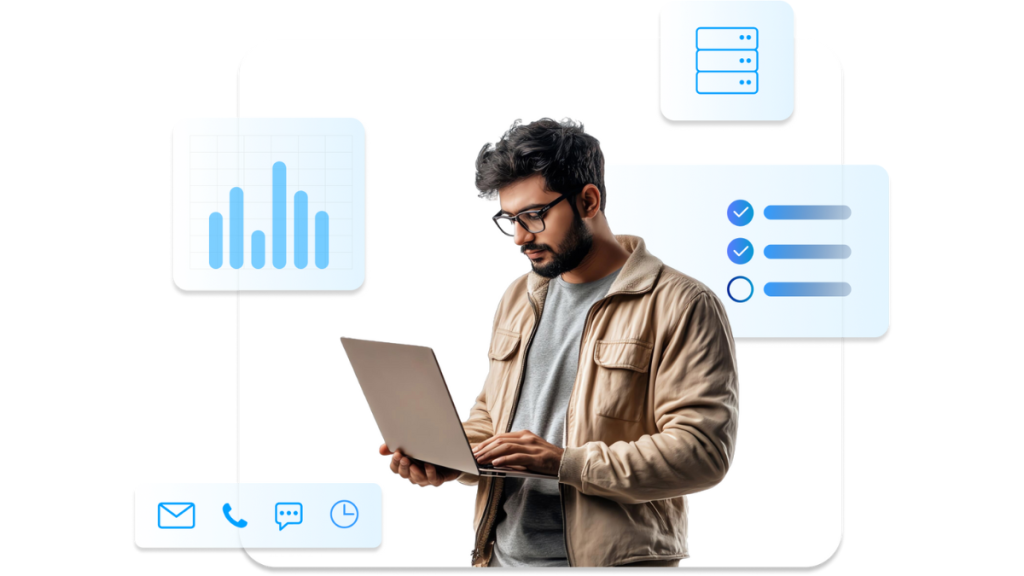
Automation fails without adoption. Build a proposal playbook: when to send, what template to use, how to summarize ROI, how to propose options, when to schedule a live review, and how to follow up. Turn these into Task bundles and checklists inside GHL, then enforce them with Workflows that nudge reps at each stage. Create SLAs for time-to-send (e.g., <12 hours after discovery), and use dashboards that rank reps on time-to-proposal, time-to-signature, and win rate by template.
Run call reviews and proposal teardown sessions: show the best performing sections, refine weak ones, and test new pricing options. Use Custom Fields and Custom Values so reps don’t rewrite content; they populate variables and let the template do the heavy lifting. The outcome is consistency without losing personalization. If your goal is to operationalize this across teams or clients, our GoHighLevel Training Course in Pakistan includes frameworks you can adapt to your niche.
7. Strategy: a concise playbook to implement this week
Day 1–2 — Standardize templates. Identify your top 3 offers. For each, define deliverables, timeline, success metrics, must-have clauses, and optional add-ons. Convert into master templates with merge fields for client data and pricing. Lock legal text as non-editable blocks.
Day 3 — Build the Workflow. Trigger on “Proposal Ready” stage. Actions: generate proposal from template, inject variables, send secure link (email/SMS), create a follow-up task for the owner, start a 48-hour reminder sequence if unopened, and notify a manager if untouched by day 3.
Day 4 — Wire signatures and payment. Attach e-signature request, then—on “Signed”—move the Opportunity to “Closed Won,” send onboarding instructions, generate the first invoice/checkout link, and create project tasks. Store the signed PDF in the client’s folder with a unique ID.
Day 5 — Dashboards and QA. Build a report for: proposals sent, open rate, time-to-send, time-to-sign, win rate, revenue per template, and reasons lost. Run a small pilot (2–3 reps) for a week, fix friction, then roll out to the full team.
8. Where this moves your sales next month

By the end of a 30-day rollout, you’ll see fewer missed windows and more decisive “yes” moments. Deals stop stalling because every step—send, view, sign, pay—is guided, tracked, and reinforced. Reps get their evenings back. Finance gets predictability. Clients feel the professionalism from first click to signature. The compounding effect is real: each automation you add removes a delay, and removing delays is how pipelines accelerate. Keep iterating on your templates, keep measuring time-to-sign, and keep removing friction. That’s how you turn proposals into a growth engine.
Frequently Asked Questions
1. How can GoHighLevel automate proposals and contracts?
GoHighLevel automates proposals and contracts using workflows, templates, and e-signature triggers. Once a deal reaches a specific pipeline stage, it automatically generates, personalizes, and sends the document for client signature, saving hours of manual effort.
2. Can I use e-signatures directly inside GoHighLevel?
Yes. GoHighLevel integrates e-signatures directly into its proposal and form builder. Clients can review, sign, and submit documents instantly without leaving the platform, creating a seamless and professional experience.
3. How secure are automated contracts in GoHighLevel?
All e-signature and document data in GoHighLevel are encrypted, stored securely, and tracked through activity logs. Each signature is time-stamped for full transparency and legal compliance, ensuring your digital contracts remain valid and tamper-proof.
4. Does automating proposals improve sales performance?
Absolutely. Automated proposals drastically reduce time-to-send and increase response rates. Faster signatures, consistent templates, and follow-up reminders lead to higher close rates and better client experiences—especially when integrated with the CRM and payment systems.
5. What skills do I need to set up automation in GoHighLevel?
You’ll need a solid understanding of Workflows, Pipelines, and CRM triggers. If you’re new, our GoHighLevel Training Course in Pakistan covers real-world automation setups, from lead capture to signed contracts, in practical, guided lessons.
