


Time is more than money — it’s momentum. Yet many businesses still find themselves caught in a cycle of repetitive tasks that drain energy and slow down progress. Whether it’s manually publishing content, replying to every inquiry, updating CRMs by hand, or juggling performance tracking on outdated spreadsheets — these tasks hinder growth.
Smart marketing automation isn’t just a luxury — it’s a strategic necessity for any business looking to scale faster, operate leaner, and think smarter. This blog explores how automation liberates businesses from manual chaos and creates room for innovation, strategic thinking, and sustainable growth.
Why Manual Marketing is Holding Back Growth?

Let’s face it — manual marketing may have worked a decade ago. But in 2025, it’s simply survival, not scaling.
Here are some common bottlenecks:
- Manually posting content on social platforms or blogs
- Responding individually to every lead or inquiry
- Updating customer details manually in the CRM
- Maintaining performance logs in Excel or Google Sheets
These repetitive, time-consuming tasks don’t just eat into work hours — they steal creative focus, slow response time, and leave room for human error. Over time, they affect the brand’s agility and limit its ability to scale efficiently
The Power of Marketing Automation

Marketing automation transforms routine operations into smart workflows that run 24/7. It shifts the focus from execution to strategy.
Here’s what automation can deliver:
- Save over 30 hours per month on repetitive tasks
- Improve lead response time, boosting conversions
- Enable smarter data tracking through centralized dashboards
- Allow teams to focus on creativity and strategic planning
- Ensure consistent brand experience across all touchpoints
Whether running an e-commerce store, a digital agency, or a service-based business — automation streamlines efforts and enhances outcomes.
What Can Be Automated? A Look at Key Areas
Not everything can or should be automated. But a surprising amount can — and should — be. Here’s where automation delivers the biggest impact:
1. Content Publishing

No more manually logging in to post across platforms. With scheduling tools and workflow automation (like n8n, Make.com, or Zapier), content can be published simultaneously across channels — from WordPress to LinkedIn, Facebook, and newsletters.
Benefits:
- Schedule weeks of content in advance
- Maintain consistent posting frequency
- Align posts with key campaigns or product launches
2. Lead Management & Follow-Up
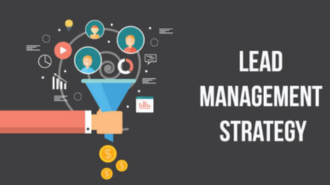
When leads come in through web forms or social ads, automation tools can:
- Add leads to a CRM instantly
- Trigger personalized email sequences
- Notify the sales team for timely follow-ups
- Score and segment leads based on behavior
Result: No lead gets lost. Every potential customer is nurtured in real-time.
3. Customer Relationship Management (CRM)

Modern CRMs like HubSpot, Pipedrive, or Zoho can be connected with other tools (e.g., Google Forms, Calendly, or WhatsApp) to automatically update contact records, track activity, and trigger tasks.
Outcome: Sales and support teams can work faster and smarter with real-time, updated information.
4. Performance Tracking

Stop wasting time manually updating spreadsheets. Platforms like Google Looker Studio or Databox can be connected to all key marketing channels — including Meta Ads, Google Ads, Shopify, or Stripe — to offer live dashboards.
Advantages:
- Accurate, real-time data
- Faster decision-making
- Reduced dependency on spreadsheets
How Automation Empowers Business Growth?

1- Faster Scaling
With the operational load reduced, marketing teams can spend more time on campaigns, customer experience, and scaling strategies.
2- Cost-Efficiency
Automation reduces the need for manual staff intervention, freeing up human resources for higher-value tasks — saving money in the long run.
3- Improved Consistency
Automation ensures every lead, every campaign, and every touchpoint is handled consistently — improving trust and brand credibility.
4- Real-Time Adaptation
Performance dashboards give real-time feedback, allowing quick campaign adjustments and better ROI on marketing spend.
Steps to Build a Custom Automation System

Step 1: Audit Existing Workflows
Identify repetitive tasks across marketing, sales, and support.
Step 2: Map Tools and Processes
Document how information flows between platforms (e.g., lead form → CRM → email sequence).
Step 3: Choose the Right Automation Tools
Select platforms that integrate with existing systems.
Step 4: Build and Test Automation Workflows
Start simple — test smaller flows before scaling to larger systems.
Step 5: Monitor and Optimize
Regularly review automation performance and refine as needed.
