

Hiring is always an exciting milestone. You’ve found the right person, the contract is signed, and the team is ready to welcome them. Then reality sets in — the onboarding checklist. HR must send welcome emails, managers need to assign tasks, IT has to prepare accounts, and equipment must be ordered. When this process repeats for every new hire, it becomes overwhelming and time-consuming. It’s not just exhausting; it creates gaps where important steps are easily missed.
Automation changes this story. By using n8n, a no-code automation tool, companies can replace manual repetition with smart, consistent workflows. Instead of HR spending hours chasing details, onboarding runs in the background without delays. This isn’t about removing people from the process; it’s about removing the noise. Automation makes space for HR to focus on culture, connection, and guiding new hires to succeed from day one.
1. Why Employee Onboarding Needs Automation
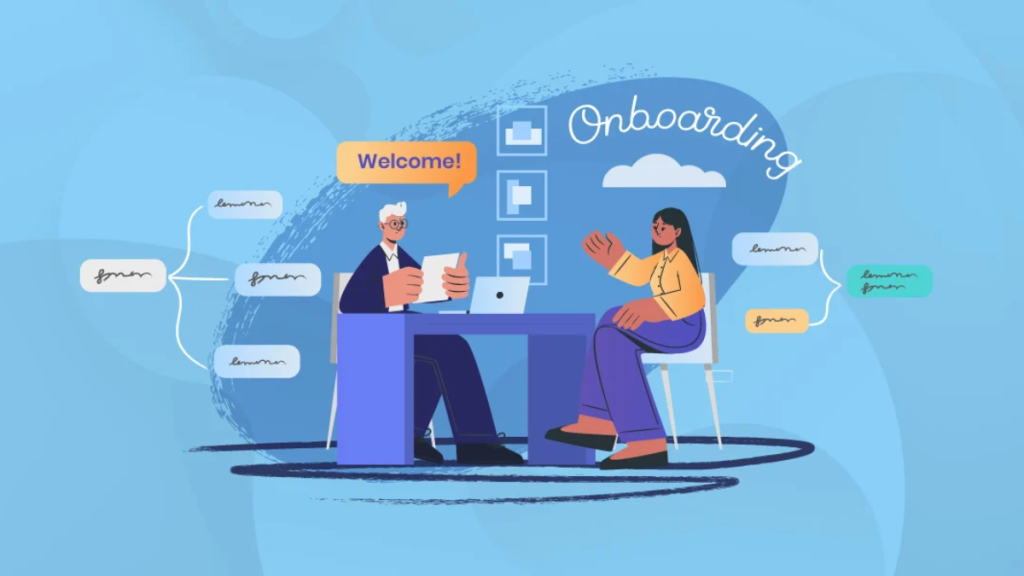
Traditional onboarding is often disorganized. HR professionals find themselves sending the same welcome emails over and over. Managers forget to assign key tasks until the last minute. IT setups are delayed, leaving new hires idle during their first days. When done manually, onboarding becomes reactive, and employees notice the cracks right away. For a process meant to inspire confidence, manual execution often does the opposite.
Automation solves these issues by ensuring every step is triggered at the right time. Emails are delivered automatically, tasks are assigned in seconds, and systems are prepared before the employee arrives. This consistent structure reduces mistakes and frees HR to focus on higher-value work. It’s similar to how businesses improve marketing operations through our digital marketing training course in Pakistan, where automation ensures campaigns run smoothly across multiple platforms without endless manual input.
2. What n8n Brings to the Onboarding Process
n8n is more than just an automation tool; it’s a bridge that connects all the systems your company already uses. Instead of replacing HR software, it links them together. This flexibility makes it ideal for onboarding, where multiple apps must work in harmony. Once a workflow is built, every new hire goes through the same polished process without HR needing to intervene.
For example, n8n can send personalized welcome emails as soon as an offer is signed. It can create onboarding tasks inside Trello, Asana, or ClickUp for managers and new hires. It can also generate Slack or Teams invitations automatically, ensuring communication begins immediately. These tasks, once handled manually, now happen instantly in the background. This approach mirrors how automation in advertising saves hours of repetitive work — something also taught in our Google Ads training course in Pakistan, where structured workflows bring consistency and speed to campaigns.
3. The Human Benefits of Automating Onboarding

A common fear is that automation makes the employee experience robotic. In truth, it does the opposite. By removing repetitive admin work, automation allows HR professionals and managers to invest their energy into building human connections. Employees don’t remember how fast their email was created; they remember if their manager had time to welcome them and answer questions on their first day.
When systems are ready in advance, new hires feel supported from the moment they arrive. Their tools work, their schedule is set, and their manager is prepared. This professional, organized start makes them feel valued. HR gains the time to focus on mentoring, guiding, and integrating the new employee into the culture. Similarly, in customer-facing roles, automation frees time for real conversations, much like what companies learn in our GoHighLevel training course in Pakistan, where the focus is on combining automation with genuine client engagement.
4. Step-by-Step: Building an Onboarding Workflow in n8n
Creating an automated onboarding process with n8n follows a clear structure. First, you define a trigger — for instance, when HR updates a hiring spreadsheet or an applicant tracking system records a signed contract. This action launches the workflow. Immediately, n8n can generate and send a customized welcome email through Gmail or Outlook, ensuring every hire receives the same professional introduction.
Next, n8n provisions accounts across Google Workspace, Slack, or Teams, while also assigning onboarding tasks in project management software. Managers get instant notifications, reminding them of responsibilities like introductions or training sessions. Finally, all actions are logged so HR can monitor progress in real time. Once built, this workflow repeats consistently, scaling as the company grows. Building these systems parallels skills in scalable lead acquisition, as seen in our lead generation training course in Pakistan, where repeatable processes deliver reliable results.
5. Why Automated Onboarding Fuels Growth
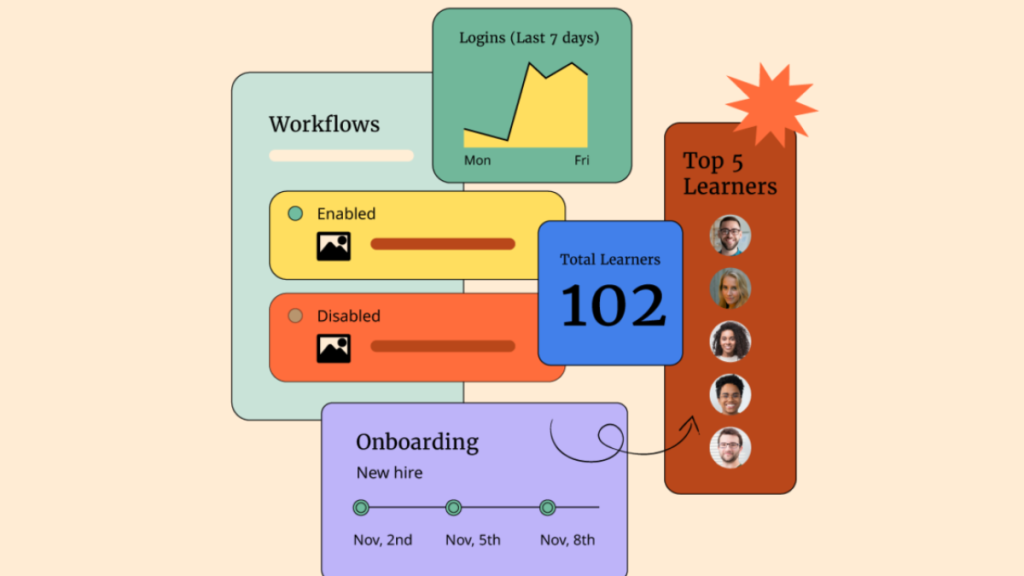
Automation is not only about saving time — it directly impacts business growth. New hires who receive smooth onboarding become productive faster. Instead of waiting days for accounts or equipment, they dive into meaningful work immediately. This reduces downtime and accelerates results. Consistent workflows also ensure compliance and minimize the risk of missed steps, protecting both employees and the organization.
Beyond efficiency, onboarding automation builds stronger employee experiences. A well-prepared first day signals professionalism, care, and long-term commitment from the company. Employees who feel welcomed are more likely to stay and thrive. For growing businesses, this consistency makes scaling possible without overwhelming HR teams. The same logic applies across marketing and operations, where automation supports predictable growth — much like the systems covered in our social media training course in Pakistan, which focus on automating engagement without losing authenticity.
6. Strategy for Automating Onboarding with n8n
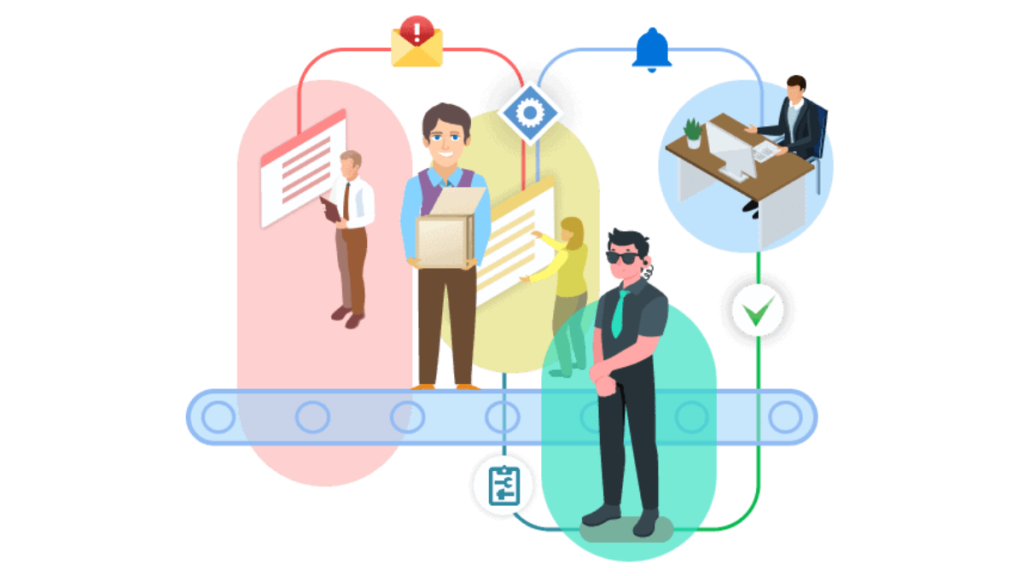
A structured strategy ensures onboarding automation works effectively. First, map out the entire process, from sending contracts to completing training. This helps identify repetitive, error-prone steps. Next, prioritize automation opportunities like email communication and account creation. Start small, then expand as workflows prove reliable. Each new automated step saves additional time and reduces stress on HR.
Once workflows are live, monitor them closely. Gather feedback from managers and employees to refine the experience. Continue optimizing for clarity and completeness. Over time, automation will handle the entire checklist, while HR focuses on people. This gradual approach prevents overwhelm and builds trust in the system. It’s the same disciplined method taught in other digital operations, such as our digital marketing training course in Pakistan, where mapping, testing, and scaling campaigns ensure efficiency and long-term success.
7. Creating a Memorable First Day Through Automation
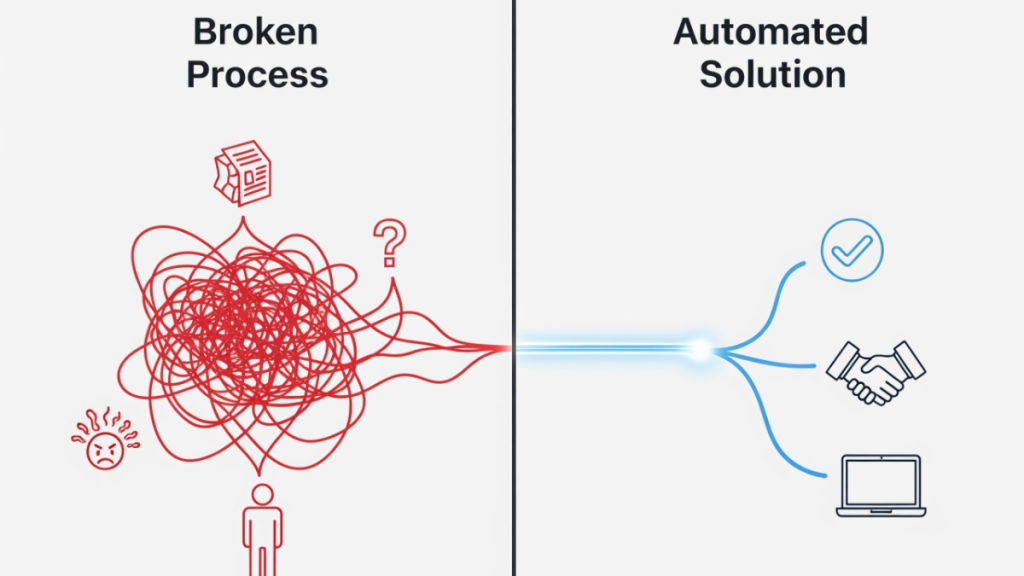
The first day of work sets the tone for an employee’s relationship with the company. Disorganization leaves them disengaged, but a smooth start builds loyalty. With n8n, HR ensures laptops, accounts, and training resources are ready before the new hire arrives. Managers receive reminders to greet their employee, and colleagues are notified to include them in team activities.
This preparation creates a welcoming atmosphere where employees feel valued. Instead of waiting for systems to catch up, they begin contributing immediately. Automation doesn’t replace human warmth; it enhances it by making room for it. The technology handles logistics, while people focus on culture and mentorship. A memorable first day becomes a foundation for long-term engagement, driving retention and performance across the organization.
Frequently Asked Questions
1. What is n8n and how does it help HR automation?
n8n is an open-source workflow automation tool that connects different apps. It automates tasks like sending emails, creating accounts, and assigning tasks, ensuring consistency and saving time.
2. Can n8n integrate with popular HR tools?
Yes. n8n integrates with tools like Google Workspace, Slack, Trello, Asana, and many more, allowing you to connect the apps you already use in your onboarding process.
3. Does automating onboarding replace HR professionals?
No. Automation reduces repetitive admin work, but HR remains essential for mentoring, guidance, and building company culture.
4. How long does it take to set up an onboarding workflow in n8n?
The time depends on complexity. A simple workflow like sending welcome emails can be built in minutes, while a complete onboarding system may take a few hours.
5. Is n8n suitable for small businesses?
Absolutely. Small businesses benefit from automation because it saves limited HR resources while delivering a professional and consistent onboarding experience.
